Phu Quoc

Tropical island with pearl farms, mangroves, and luxury resorts

Overview

Phu Quoc is Vietnam's largest island — a 574 km² tropical island in the Gulf of Thailand, closer to Cambodia than to the Vietnamese mainland and with an atmosphere distinct from the rest of the country. It has grown rapidly from a quiet fishing island into one of Southeast Asia's most talked-about beach destinations, yet large parts of it remain covered by Phu Quoc National Park, which protects more than half the island's interior as primary rainforest. The combination of white-sand beaches, clear warm water, world-class resorts, a vibrant seafood night market, and genuine jungle interior makes it Vietnam's most complete island destination.

The dry season (November to April) is the best time to visit — clear skies, calm seas, and temperatures around 25–30°C. December to March is peak season, when the island is at its most beautiful and busiest. The rainy season (May to October) brings frequent afternoon showers, rougher seas, and significantly lower prices — October is the wettest month but the island remains accessible and accommodation is cheap. Most nationalities enjoy 30-day visa-free entry to Phu Quoc under the island's special economic zone rules — confirm current policy before travel as regulations can change.

Official Guide

Phu Quoc Travel Guide: Vietnam’s Tropical Island Paradise

Vietnam's largest island is a tropical playground of white-sand beaches, coral reefs, pepper plantations, and pearl farms — with a growing roster of luxury resorts for those who want to…

Full guide →

Attractions

Things to see and do in Phu Quoc

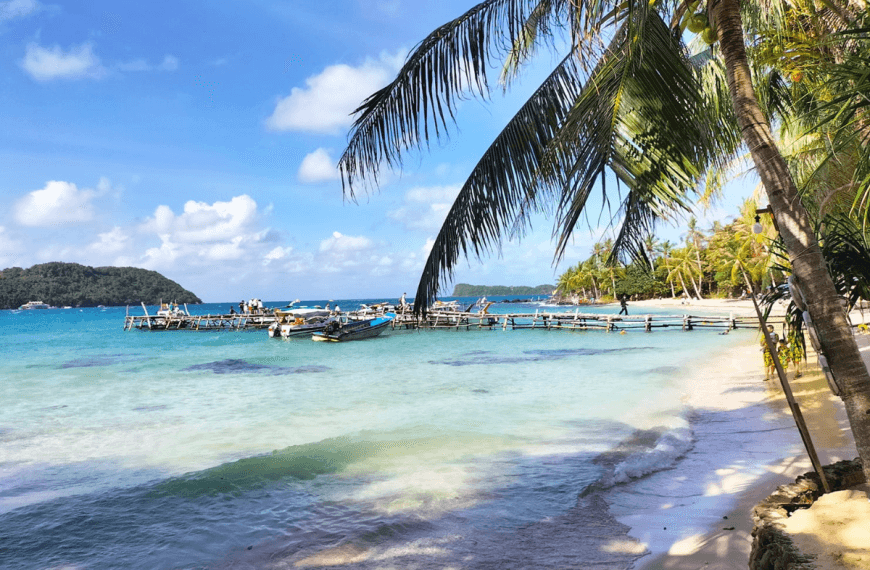
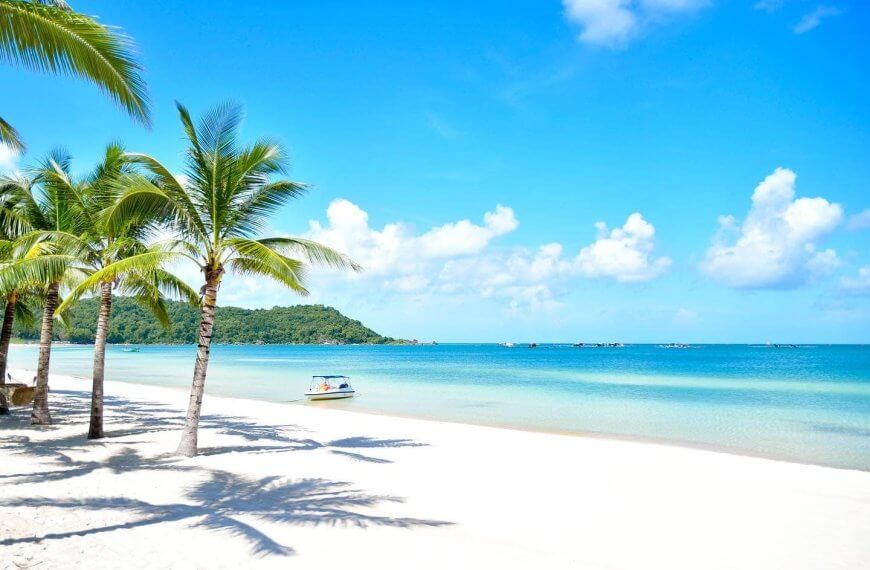
Long Beach (Bãi Trường) on the west coast is the island's most developed strip — a long palm-fringed beach ideal for sunsets and resort stays, with bars and seafood restaurants running its length. For swimming and scenery, Sao Beach (Bãi Sao) on the southeast coast is the most beautiful beach on the island — powder-white sand, turquoise water, and far quieter than Long Beach. Khem Beach, nearby, is more secluded still. The An Thoi Archipelago at the island's southern tip is the best area for snorkelling and diving, with healthy coral gardens and clear visibility in calm season — accessible by daily boat tour. The Phu Quoc Prison (Nhà Tù Phú Quốc, also called the Coconut Tree Prison) is a sobering and historically significant site where thousands of North Vietnamese and Viet Cong prisoners were held under brutal conditions during the war; the museum is well-presented and important context for understanding the island.

For family entertainment, VinWonders Phu Quoc on Hon Tre Island (connected by the world's longest non-stop cable car from the mainland) is one of Southeast Asia's largest theme and water parks — a full day's destination in itself. Adjacent, Vinpearl Safari is Vietnam's first open-plan zoo, with giraffes, lions, rhinos, and African savannah-style enclosures alongside a large Southeast Asian wildlife section. On the mainland side, Grand World (the "Sleepless City") is a Venice-inspired entertainment and shopping complex open 24 hours, with canal gondolas, light shows, and food streets.

Interests

What Phu Quoc is known for

Interest tags will appear here once articles are published.

Getting There

Transport options to reach Phu Quoc

Phu Quoc is served by Phu Quoc International Airport, which receives direct flights from Hanoi (2 hours), Ho Chi Minh City (1 hour), and Da Nang, plus international connections from Bangkok, Seoul, and Kuala Lumpur. The airport is 10 km from Duong Dong town and well-served by Grab and taxis. For travellers who want the journey to be part of the experience, ferry services run from Ha Tien (2.5 hours) and Rach Gia (2.5–3 hours) on the Kien Giang mainland — a scenic crossing through the Gulf of Thailand with views of the island approaching. Ha Tien is reachable by bus from Ho Chi Minh City in about 5 hours.

On the island, motorbike or scooter hire (100,000–150,000 VND/day) is the best way to explore independently — the roads are in good condition and the distances between beaches and attractions are manageable. Grab operates in the main tourist areas. The northern and eastern parts of the island are largely undeveloped and best explored by motorbike; the west coast road offers some of the best sunset riding in Vietnam.

Itineraries

Suggested routes that include Phu Quoc

Three to four days covers the island comfortably. On day one, settle in, walk Duong Dong town, visit the fish sauce factories and pepper farms in the afternoon, and spend the evening at the Phu Quoc Night Market — the best street food experience on the island, with grilled sea urchin, steamed crab, herring salad, and tropical fruit all in one atmospheric strip. On day two, take a boat trip to the An Thoi Archipelago for snorkelling, island hopping, fresh seafood lunch on board, and squid fishing in the evening. Day three is for the beaches: morning at Sao Beach (the most beautiful), afternoon at Long Beach watching the sunset, then cocktails on a beach bar terrace.

A fourth day works well for VinWonders and Vinpearl Safari (great for families), or for hiring a motorbike and exploring the national park roads in the north and the quieter east coast fishing villages. Phu Quoc pairs naturally with Ho Chi Minh City (1-hour flight) as either the start or end of a southern Vietnam trip, or with the Mekong Delta for travellers combining river and island in one southern itinerary.

Hotels & Where to Stay

Accommodation options in Phu Quoc

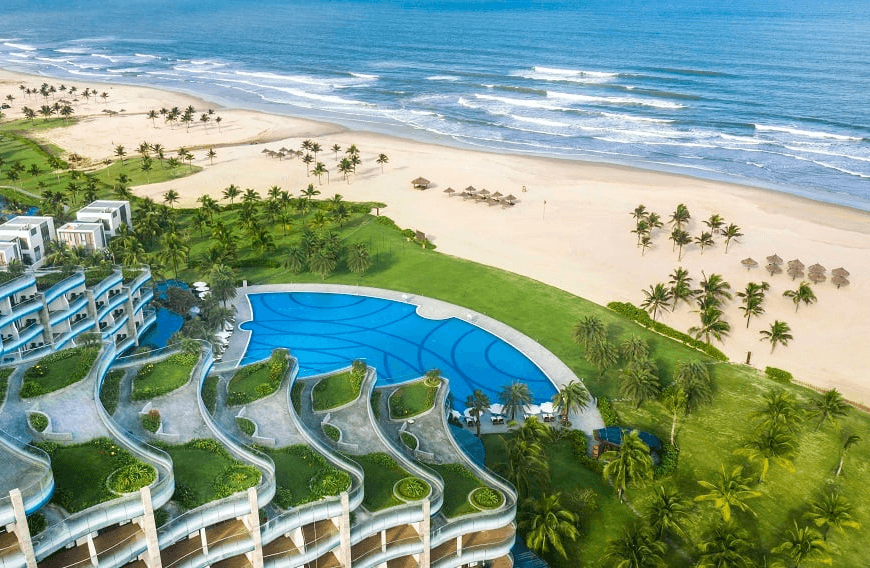
Phu Quoc has the widest spread of accommodation of any Vietnamese island — from overwater villas at JW Marriott Phu Quoc Emerald Bay (an extraordinary resort built to resemble a fictional 19th-century university on the southern tip) to budget bungalows in the jungle. The InterContinental Phu Quoc Long Beach Resort is the other flagship luxury property, with sweeping Gulf of Thailand sunset views and a massive lagoon pool. For a more intimate luxury experience, La Veranda Resort (colonial-French styling on Long Beach) and Cassia Cottage (boutique eco-resort, lush gardens, quiet end of Long Beach) are the most charming options on the island.

The west coast (Long Beach / Ong Lang) is the most practical base — sunset-facing, with the best resort density, close to Duong Dong town, and well-served by the night market. The southeast coast (near Sao Beach) is more remote and quieter — better for honeymooners and those wanting seclusion. Budget travellers are well-served by guesthouses and small bungalow resorts in Duong Dong and the backpacker area around Tran Hung Dao Street. Ninila Fruit Farm Bungalows and Phu Quoc Valley Resort are good value picks with a garden atmosphere away from the main strip.

Restaurants & Food

Where to eat in Phu Quoc

The Phu Quoc Night Market (Cho Dem, in Duong Dong town) is the most enjoyable eating experience on the island — a nightly street food market where vendors grill whole fish, heap plates of steamed crab and clams, and prepare Phu Quoc's most celebrated local specialities. Gỏi cá trích (raw herring salad with toasted rice, coconut, fresh herbs, and a peanut dipping sauce) is the island's signature dish — unlike anything else in Vietnam, eaten by rolling ingredients in rice paper. Ken noodles (bánh canh cá) made from locally caught barracuda or silverfish are another island speciality, found at small shops in the market. Grilled sea urchin with spring onion oil is best bought from the market stalls — described by locals as "the ginseng of the sea."

The island is also famous for two pantry products: Phu Quoc fish sauce (nước mắm Phú Quốc), produced here for centuries from anchovies fermented in wooden barrels and widely regarded as the finest fish sauce in Vietnam, and Phu Quoc black pepper, grown on hillside farms in the north and a popular souvenir. Both can be bought directly from producers on the island. For sit-down dining, the restaurant strip on Long Beach serves fresh seafood by weight through the evening — pick your fish from the iced display outside and negotiate a price before sitting down.

Experiences

Adventures and activities in Phu Quoc

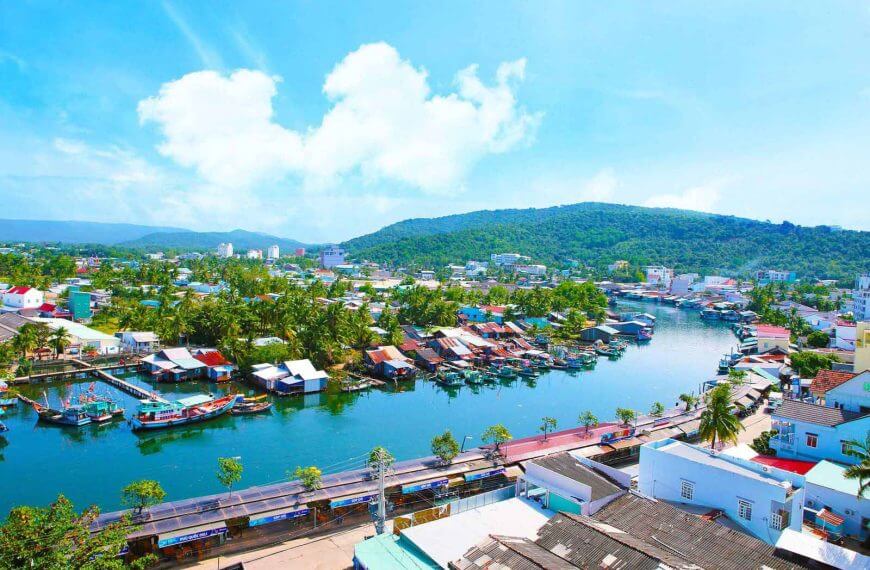
Phu Quoc's best experiences divide between sea and land. In the water: scuba diving and snorkelling at the An Thoi Archipelago coral gardens (best November to April), the four-island boat tour with floating bar and fresh seafood, and night squid fishing on a traditional wooden boat — local operators run evening squid fishing trips where guests lower lighted lines into the dark water and feel the distinctive tug. On land: motorbike the north through the national park roads, stopping at the Ganh Dau headland for views across to Cambodia, and down the eastern coast through fishing villages where boats are still painted in the traditional Phu Quoc style.

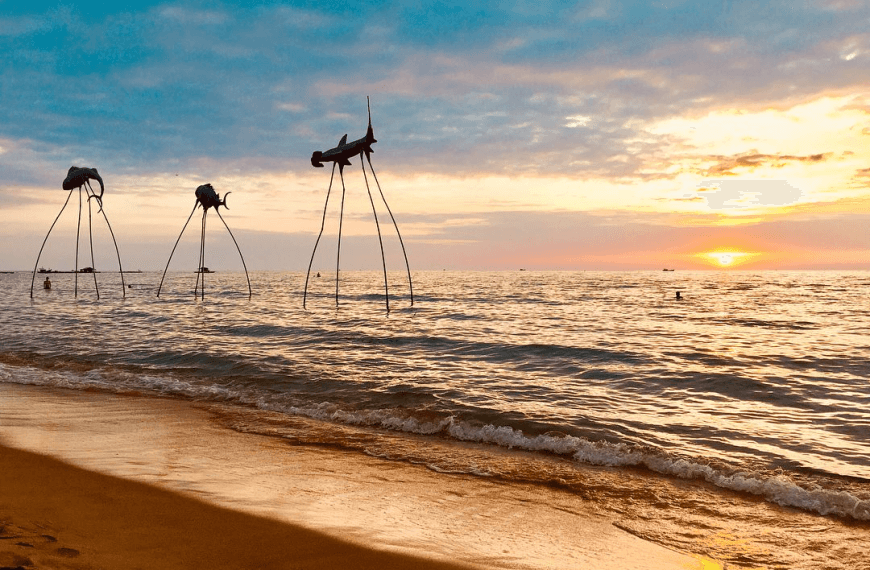
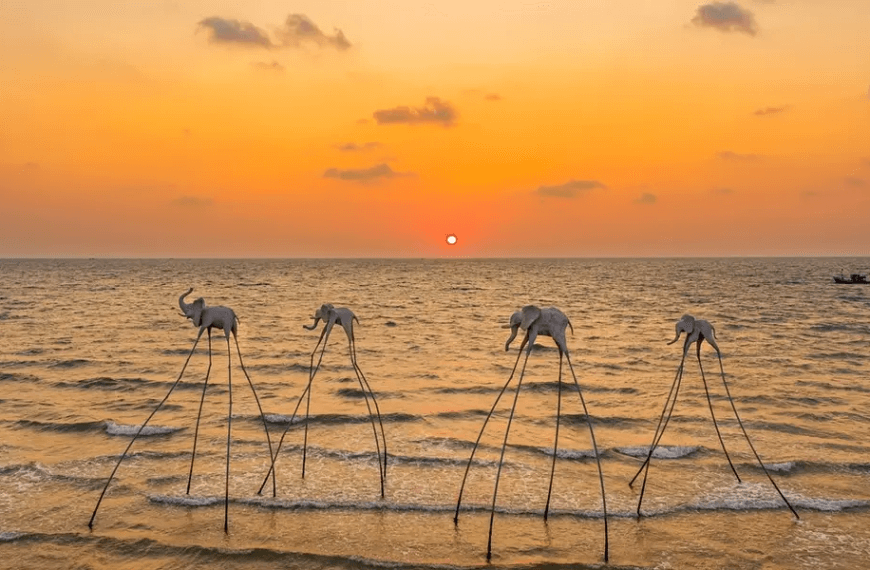
The island's agricultural heritage is worth exploring: fish sauce factory tours (Khai Hoan and Hung Thanh are both open to visitors), pepper farm visits in the Duong To area, and pearl farm tours where cultured pearls are harvested from oyster beds in the bay. The cable car crossing to Hon Thom Island (the world's longest non-stop cable car at 7.9 km, passing over open ocean) is a spectacular experience even if you skip the theme park at the other end. Finish any day on Phu Quoc watching the sun drop into the Gulf of Thailand from Long Beach — one of the finest sunsets in Southeast Asia.

Looking for a guided tour?

Ms. Wendy at SeA Travel Agency arranges private day tours, multi-day itineraries, and custom trips across Vietnam. Message her directly on WhatsApp for a fast, personal quote.

WhatsApp Ms. Wendy
Scroll to Top