Hue

Imperial capital with citadel, royal tombs, and refined Hue cuisine

Overview

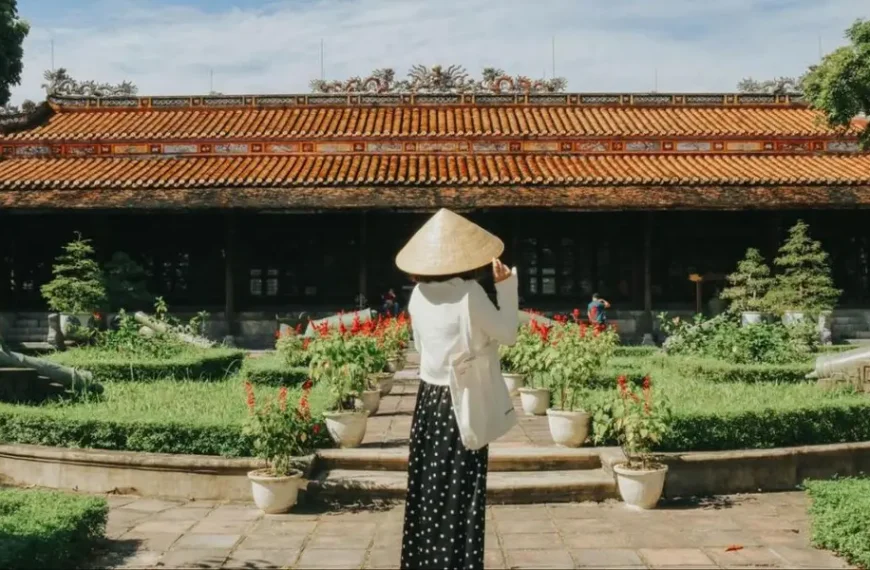
Hue is Vietnam's former imperial capital — a city of temples, royal tombs, and palace walls set along the languid banks of the Perfume River in the heart of Central Vietnam. From 1802 to 1945 it was the seat of the Nguyen Dynasty, and the legacy of that era saturates the city: the vast walled Citadel, the elaborate hilltop mausoleums of the emperors, the ghost of a royal court cuisine that still defines the local food culture. Quieter and less tourist-dense than Hoi An or Da Nang, Hue rewards slow travel — mornings on the river, afternoons in the pagodas, evenings over a bowl of bún bò Huế.

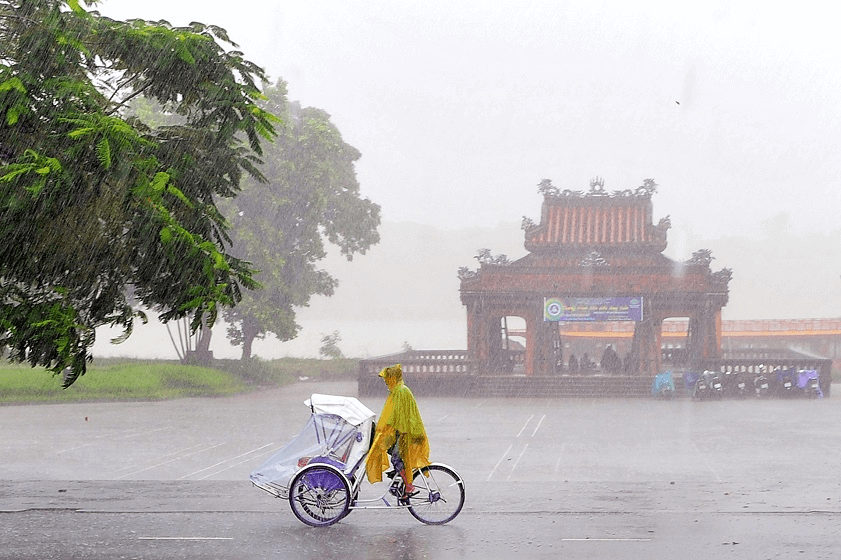
The best time to visit is January through April, with March and April offering the clearest skies, comfortable temperatures, and the best light for photography. The dry season runs March to August (25–38°C). Avoid October and November if possible — Hue sits in a rain shadow that makes it the wettest city in Vietnam during these months, with heavy downpours and periodic flooding. If you do visit in the rainy season, pack accordingly and check river conditions before booking riverside accommodation.

Official Guide

Hue Travel Guide: Imperial Citadel, Royal Tombs & Cuisine

Vietnam's last imperial capital, Hue is a city of walled citadels, lotus-filled moats, royal tombs, and a cuisine so refined it was once served only to emperors.

Full guide →

Attractions

Things to see and do in Hue

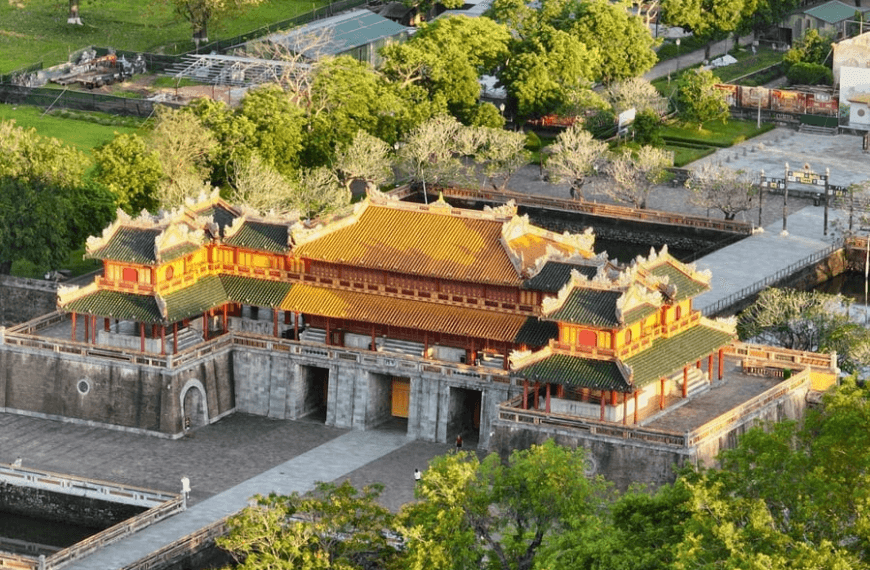
The Imperial City (Dai Noi Citadel) is Hue's centrepiece — a moated walled complex modelled on Beijing's Forbidden City, containing the Forbidden Purple City (the emperor's private residence), royal temples, ceremonial gates, and pavilions. Allow at least half a day; the scale is much larger than photos suggest. On the riverbank south of the city, the Thien Mu Pagoda — a seven-storey octagonal tower overlooking the Perfume River — is one of Vietnam's most iconic religious sites and a short boat ride from the city centre. The Royal Tombs are another half-day: the most visited are Khai Dinh (extravagantly ornate, with European Baroque detailing covering every surface) and Minh Mang (serene, geometric, set in forested gardens) — both are best combined in a single motorbike or tour day.

A Perfume River boat cruise is the most atmospheric way to connect the sites — wooden dragon boats depart from the riverside promenade and can be chartered for a half-day tour combining Thien Mu Pagoda, the royal tombs, and Hon Chen Temple. In the city itself, Dong Ba Market is the most authentic local market in Central Vietnam — noisy, aromatic, and excellent for street food and local produce. For escaping the heat, Bach Ma National Park (45 minutes south) has cool cloud-forest hiking and a spectacular 300-metre waterfall.

Interests

What Hue is known for

Interest tags will appear here once articles are published.

Getting There

Transport options to reach Hue

Hue is served by Phu Bai International Airport, 15 km south of the city centre, with regular domestic flights from Hanoi (1.5 hours) and Ho Chi Minh City (1.5 hours) on Vietnam Airlines, Vietjet, and Bamboo Airways. By train, Hue sits on the Reunification Express line between Hanoi (13–14 hours overnight) and Da Nang (2.5–3 hours south, through the Hai Van Pass tunnel). The Hai Van Pass road — the old coastal mountain route that the train bypasses underground — is one of the most scenic drives in Vietnam and worth doing by motorbike or hired car between Hue and Da Nang.

From Da Nang, open-tour buses and limousine coaches cover the route in 3–3.5 hours for a few dollars. Hue is also a natural stop on any Hoi An–Hue–Phong Nha overland route north through Central Vietnam: the three destinations are all within a few hours of each other by bus or train, making Hue a logical overnight between the coast and the caves.

Itineraries

Suggested routes that include Hue

Two to three days is the right amount of time for Hue. On day one, spend the morning inside the Imperial Citadel, taking time for the Forbidden Purple City and the main ceremonial courtyards, then walk to Dong Ba Market for lunch and a street food wander. In the afternoon, take a short taxi or motorbike ride to Thien Mu Pagoda for sunset over the river. On day two, arrange a motorbike hire or join a tour to the royal tombs — Khai Dinh and Minh Mang can be combined in a half-day, leaving the afternoon free for a dragon boat river cruise or a cycle along the south bank of the Perfume River to the quieter pagodas upstream.

A third day works well for the Hai Van Pass drive to Da Nang — arguably the best road trip in Vietnam, hugging sea cliffs with views over Lang Co beach and the South China Sea below. Stop at Lang Co Beach for a swim, continue over the pass, and arrive in Da Nang or Hoi An by afternoon. Hue and Hoi An are most commonly visited as a pair — they are 3 hours apart by road and complement each other well, with Hue offering the imperial history and Hoi An the merchant town atmosphere and beaches.

Hotels & Where to Stay

Accommodation options in Hue

The best accommodation in Hue clusters along the south bank of the Perfume River, where boutique hotels in restored French colonial villas offer garden terraces and river views at relatively affordable prices. For luxury, Azerai La Residence is the standout property — a beautifully restored 1930s French Résidence Supérieure with a riverside pool and the finest food in the city. Pilgrimage Village Boutique Resort, set in a leafy garden on the outskirts, is another upscale option with a strong spa and a traditional village aesthetic.

Mid-range travellers do well at Moonlight Hotel (well-located, good breakfast, rooftop pool) and Scarlett Boutique Hotel. The budget scene is solid, with Jade Hotel and Hue Nino Hotel both offering clean, central rooms at low prices with helpful staff who can arrange motorbike hire and tour bookings. Most properties are within easy walking distance of the river promenade and the Citadel entrance.

Restaurants & Food

Where to eat in Hue

Hue has the most distinctive and refined food culture in Vietnam. The city's imperial cuisine — developed over centuries to feed the royal court — emphasises small, elaborate dishes presented with visual precision: think delicate rice dumplings, fermented shrimp pastes, and paper-thin rice crepes. The essential dish to order is bún bò Huế — a spicy, lemongrass-scented beef and pork noodle soup that bears no resemblance to the pho of the north, and is eaten here for breakfast as a matter of local identity. Other must-tries: bánh bèo (steamed rice cakes topped with dried shrimp and pork crackling), nem lụi (lemongrass pork skewers grilled at the table and wrapped in rice paper), and cơm hến (tiny river clams over cold rice with a tangle of herbs and chilli).

The best street food concentrates around the covered lanes near Dong Ba Market and along Nguyen Dinh Chieu Street on the south bank. For a sit-down imperial dining experience, several restaurants near the Citadel serve multi-course royal tasting menus with traditional music accompaniment — theatrical but genuinely good. An Nhien is the top vegetarian garden restaurant. Finish any evening with chè Huế — the city's elaborate cold sweet soups and jellied desserts, served from street carts and speciality chè shops across the city.

Experiences

Adventures and activities in Hue

Beyond the formal sightseeing circuit, Hue is a city best experienced slowly: cycling the quiet lanes south of the Perfume River to find unnamed pagodas draped in bougainvillea, stopping at garden cafés for Vietnamese drip coffee, or wandering the lanes of the old residential quarter where incense makers and lantern painters still work from the same shophouses their families have occupied for generations. The Royal Theater (Nha Hat Hoang Cung) inside the Citadel hosts live Nha Nhac performances — the Vietnamese imperial court music tradition, inscribed on UNESCO's Intangible Cultural Heritage list — on most evenings; it's one of the most atmospheric live performances in the country.

For active days, Bach Ma National Park offers excellent cloud-forest trekking to a 300-metre waterfall and one of the best bird-watching sites in Southeast Asia. Lang Co Beach (45 minutes south, between Hue and the Hai Van Pass) is a long, largely undeveloped stretch of sand on a lagoon peninsula with views of both mountains and open sea — good for a half-day beach stop if you're driving between Hue and Da Nang. Motorbike hire from the city (around 120,000–150,000 VND/day) is the most flexible way to explore both the Citadel district and the surrounding countryside at your own pace.

Looking for a guided tour?

Ms. Wendy at SeA Travel Agency arranges private day tours, multi-day itineraries, and custom trips across Vietnam. Message her directly on WhatsApp for a fast, personal quote.

WhatsApp Ms. Wendy
Scroll to Top